Its a chaotic time but we managed to get lists together in time for a very late Oscar Sunday. The order this time is Matt-Angela-Josh-Isabel. Matt and Josh did full recaps of the year while Angela and Isabel turned in top ten lists with commentary.
Matt Strohl
In the past I’ve ranked and commented on every title on the list. Due to pandemic viewing conditions and the late Oscars, I watched a lot more this year than usual: 167 titles (which is considerably less than Josh watched). I have a clear idea of what’s at the top and bottom but everything else is a big mush. I’ve revised my format: the top 25 are ranked and everything else is sorted into categories. I chose one or two titles from each category to comment on. Rules for what counts as a 2020 film are loose, because it doesn’t really matter.
Top 25
25. Shithouse (Cooper Raiff)

Shot on a budget of 15k, this is a really fantastic example of DIY independent filmmaking. It reminds me of Linklater, but cringecore. It is very sweet and sincere, and it does an incredible job conveying the social horror of freshman year.
24. Hubie Halloween (Steven Brill)
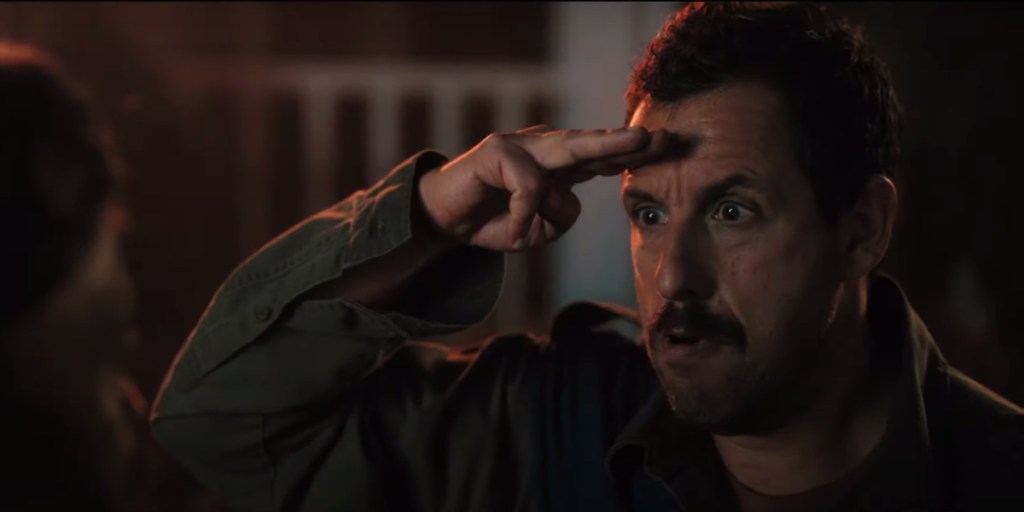
It’s not going to win a lot of awards, but there is no question that the 2020 movie I will watch the most times in my life is Hubie Halloween. It’s the movie I watched on election day when we were all freaking out waiting for the results to come in and it’s the movie I watched when my dad died and I couldn’t sleep and it’s the movie I watched every time I was feeling down and wanted something that would effortlessly cheer me up. Thanks for this, Happy Madison crew. It’s a gift. And thanks to Netflix for giving the people what they want. Namely, six Adam Sandler movies.
23. Greyhound (Aaron Schneider)

A very tight and focused naval procedural. Tom Hanks is a Christian, he values human life, he doesn’t have time to eat, and he loves Elisabeth Shue. Other than that, this is wall-to-wall sea battle. Schneider always keeps us oriented: we know where the u-boat is (or where it might be, in the suspense scenes), where the convoy is, where we are, and what we are trying to prevent or accomplish minute-by-minute. The most impressive thing about this is the way it reveals how military discipline plays out in the heat of battle. Nearly the entire movie is a tightly-coordinated dance of information and orders being relayed and carried out.
22. The Outpost (Rod Lurie)
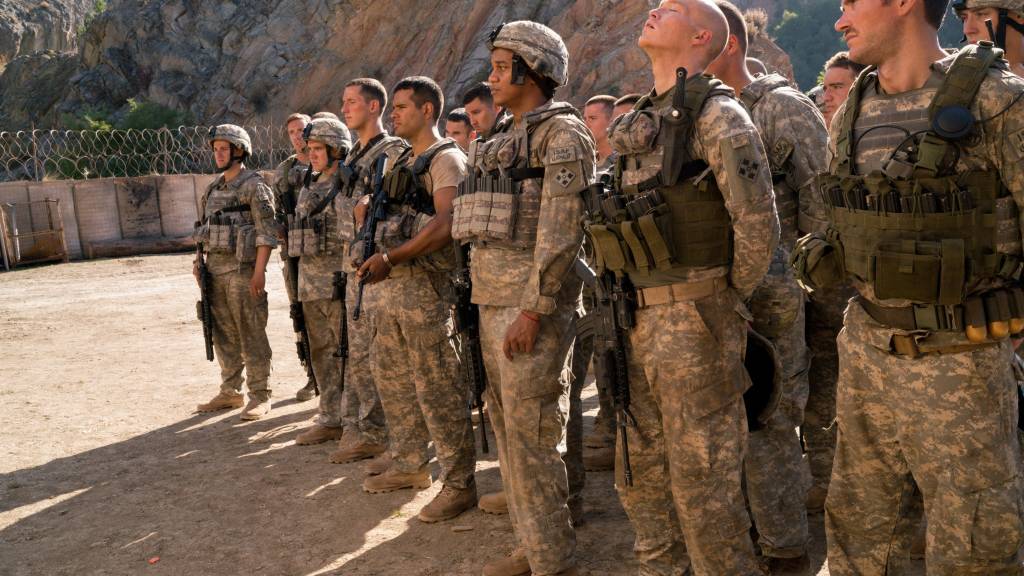
Another immersive military procedural. This one sets itself apart with its vivid sense of the rhythms of life at the outpost of doom. It burrows deeply into the mindset of a deployed soldier. It feels extremely authentic (friends who have served in the military confirm this) and the big set piece at the end is the most incredible action sequence of the year.
21. Possessor (Brandon Cronenberg)
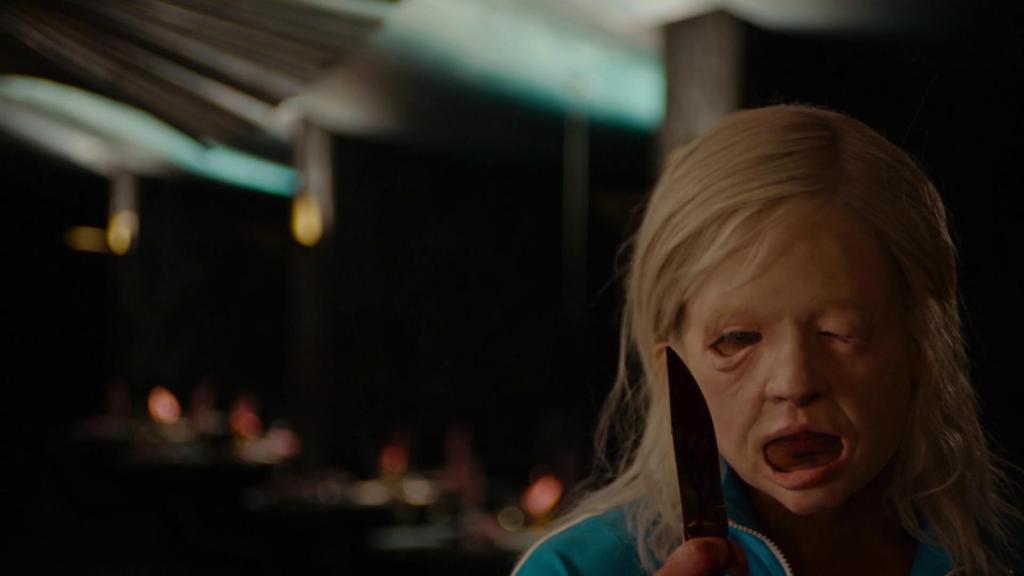
Vigorous, creative horror that doesn’t pull its punches. I’ve been very bummed out by the direction that the genre has been going in general, but this was like a breath of fresh air.
20. The Golden Glove (Fatih Akin)
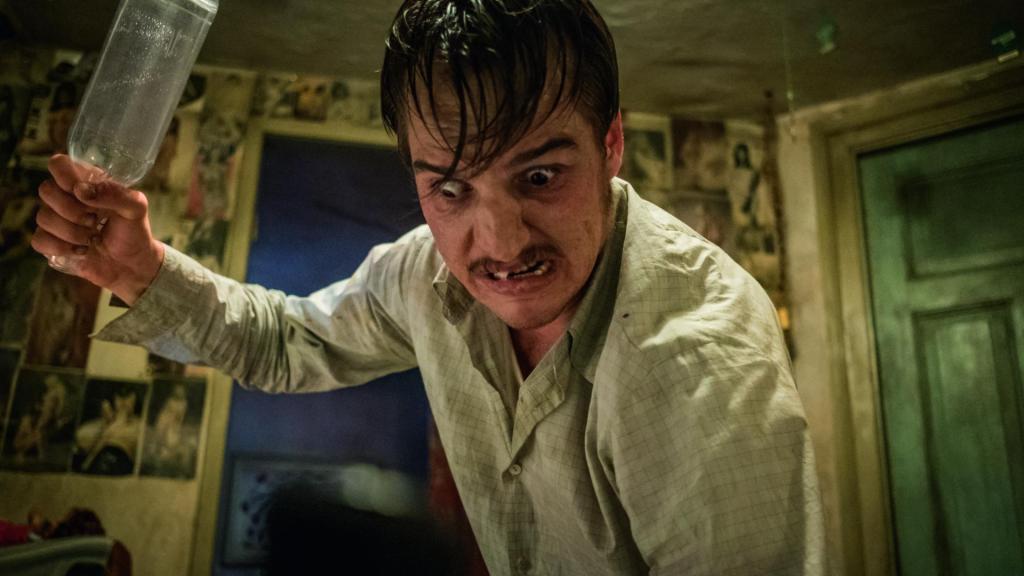
Supremely grimy portrait of a serial killer. It is one ugly movie. Impressively so. I still haven’t completely shaken the rancid emotional residue months later, nor have I gotten my mind around the fact that it is by the same director as Soul Kitchen.
19. Palm Springs (Max Barbakow)

I loved this the first time I watched it and thought, “Oh I am definitely going to teach Palm Springs along with Richard Taylor on the meaning of life.” I went ahead and did that and it helped me like the movie even more. I previously felt like it sort of petered out in the last act, but thinking about this part of movie in connection with the essay is very illuminating. When Sarah says, “A speech isn’t going to fix this,” I take that to be an explicit rejection of the Groundhog Day principle where one escapes a time loop by achieving moral perfection. She is rejecting the notion that there’s a point in life when we are “done” with self-overcoming. Understood as a response to Groundhog Day, the ending of Palm Springs is brilliant.
18. Undine (Christian Petzold)
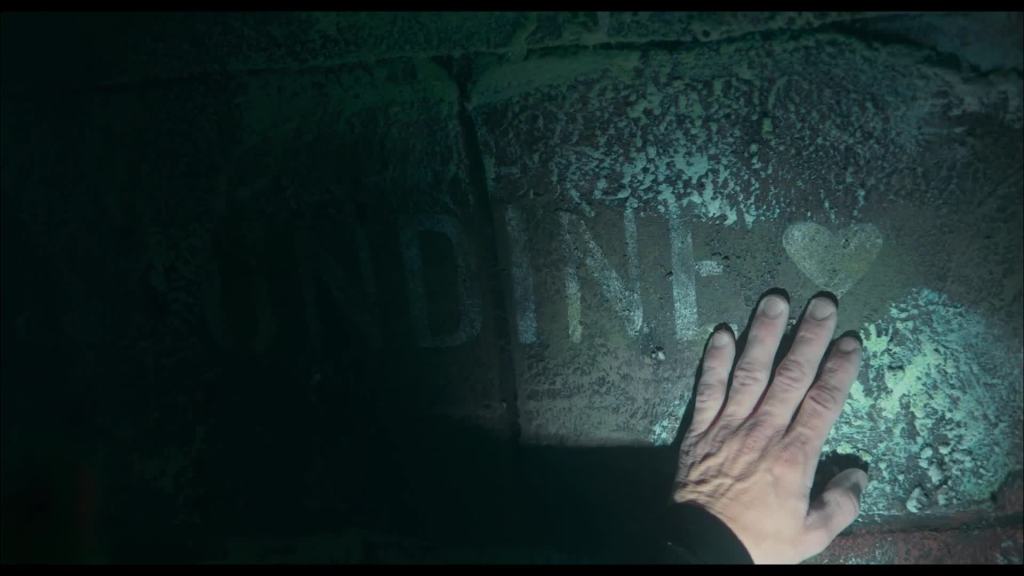
A strange and alluring riff on the Undine myth in the context of industrial diving and urban planning and development. Gorgeous underwater imagery is woven through a contemplative Berlin city symphony.
17. Alone (John Hyams)
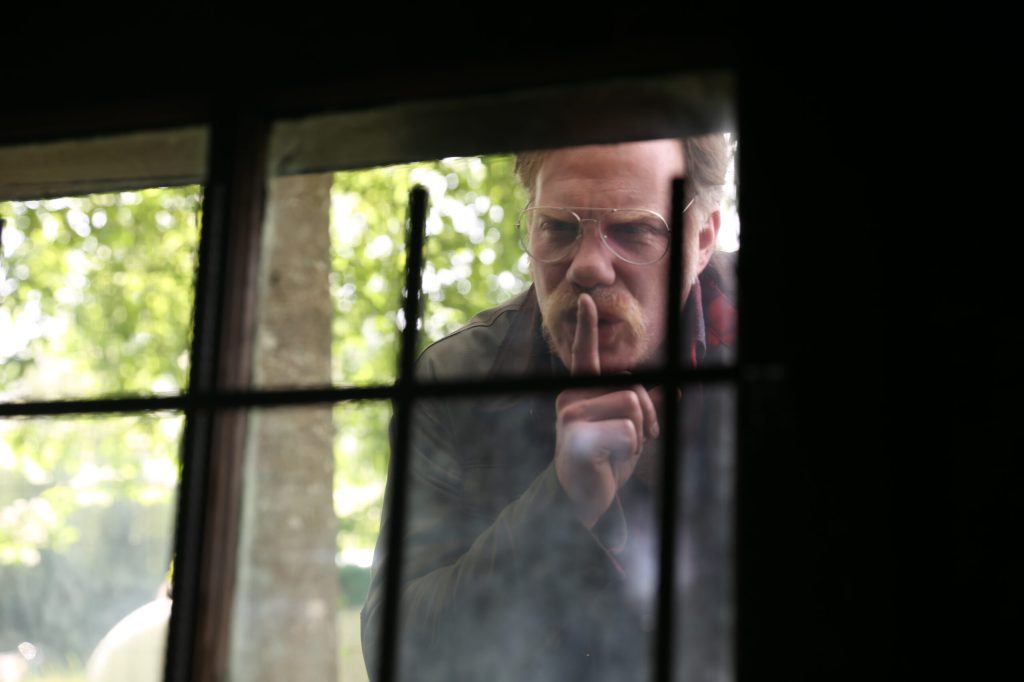
John Hyams is one of the strongest genre directors working today and this is a masterfully executed thriller. I’m really glad to see someone doing this sort of “back to basics” genre work at a high level.
16. Hunted (Vincent Paronnaud)

Hunted goes hard for 85 minutes and then gets out before you can catch your breath. I didn’t pause it. I didn’t look away. I am very amused that *both* directors of Persepolis went on to make bizarre horror movies (the other one is The Voices with Ryan Reynolds). This Little Red Riding Hood update has a slick visual style, but it is mean and nasty. It’s also laced with absurdist black humor and fantastical folk horror. I had never heard of the actor Arieh Worthalter before, but wow does he put himself out there in this. This is a man who is not afraid of getting typecast as a villain.
15. Guest of Honor (Atom Egoyan)
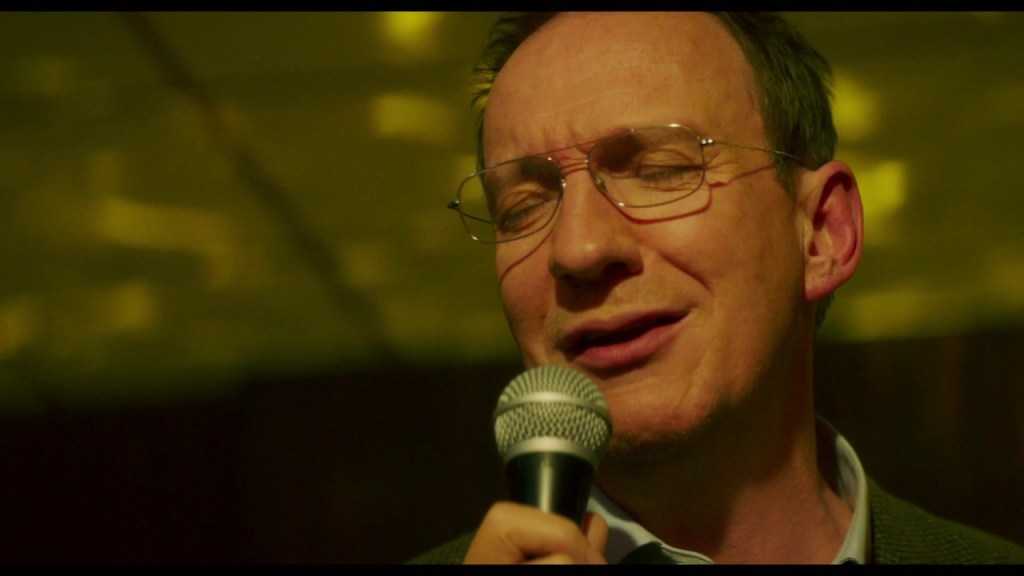
This grew on me steadily in the weeks after I watched it. It’s a deeply weird movie. I really admire the way Egoyan keeps doubling down on his most distinctive tropes and themes even as his movies have gotten less and less popular. You do you, Atom Egoyan. David Thewlis is immense in this.
14. Gretel & Hansel (Oz Perkins)
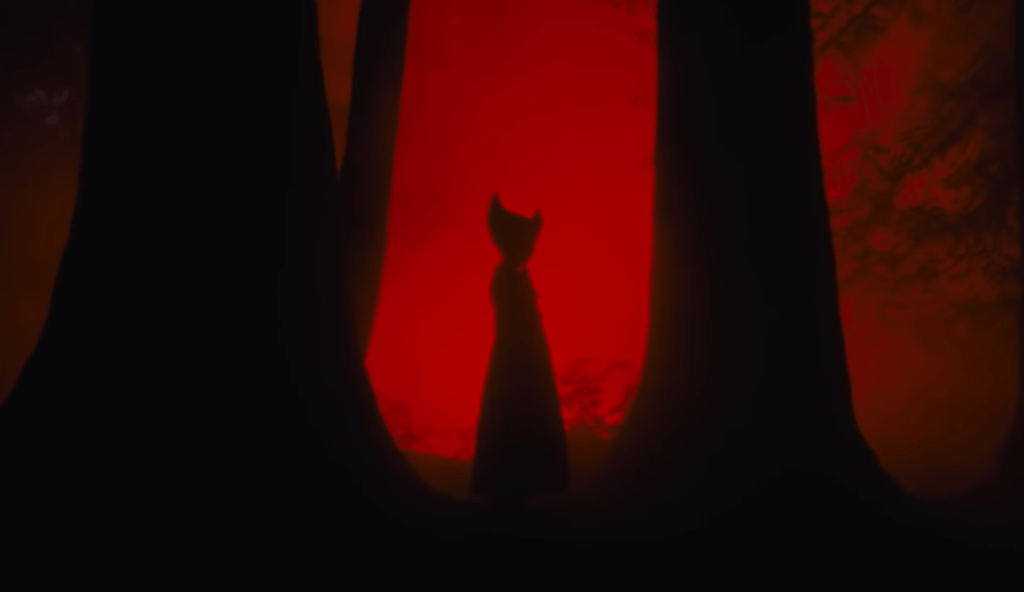
In a dark room with the volume cranked up, this is just a delicious experience. I am all about Perkins’ atmospheric, refined, sparse approach to horror.
13. The Salt of Tears (Philippe Garrel)

This is probably not going to appeal very much to people who are not already interested in Garrel. The material is roughly in the register of Pialat and at the stylistic level it forsakes the pleasant lyricism of Lover for a Day. It’s a gut punch.
12. Joan of Arc (Bruno Dumont)

Respect to Dumont for not repeating himself. This movie is just overflowing with ideas. Everything is creatively staged, and not in the same way as Jeanette. I’ve generally liked Dumont’s absurdist comedies more than his dramas and I was fascinated by the way the trial material (which Michael Sicinski points out is like the Madonna and Child for French Cinema) goes as far as it does in the direction of comedic absurdism without quite breaking through to become comedy. The gallery of inquisitors is brilliantly acted.
11. City Hall (Frederick Wiseman)

I appreciate the balance that this film achieves. It has a strong point of view about the successes and failures of big city government, but Wiseman allows it to wander off on humane, cinematically rich tangents when they present themselves.
10. The Kid Detective (Evan Morgan)

Adam Brody is perfectly cast as a kid detective of the Encyclopedia Brown variety grown up into a depressed 31-year old. When his first big case in ages lands on his desk, it becomes a quest for redemption and self-understanding. It’s a funny movie, but also disarmingly bleak and disturbing.
9. To the Ends of the Earth (Kiyoshi Kurosawa)
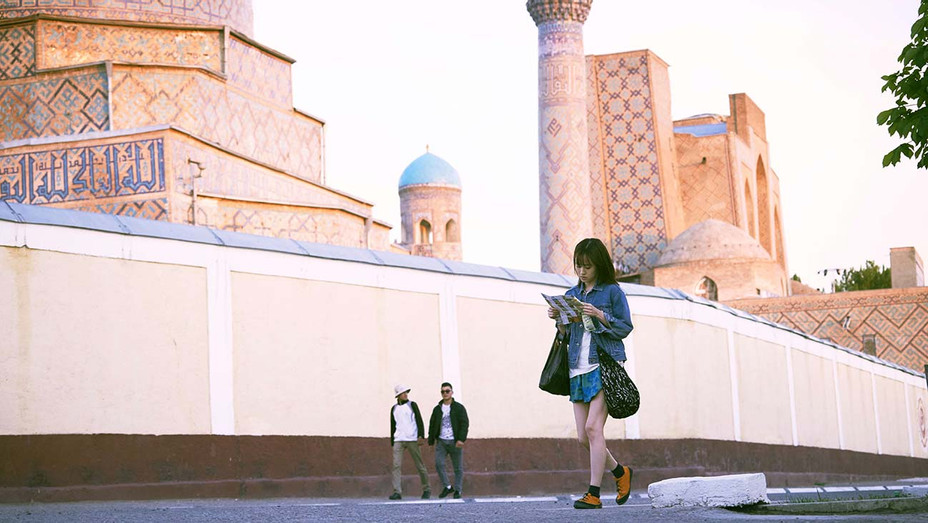
Kiyoshi Kurosawa was invited by the Uzbek government to come make a movie in Uzbekistan to promote Japanese tourism. They told him he didn’t have to make an advertisement for the country or even depict it favorably, they just wanted him to make the best movie he could make set in their country. He agreed to do it and took the approach of just traveling to Uzbekistan with a crew and looking for inspiration. The film ends up effectively taking its own method as its subject matter. It’s about female travel show host (Yoko) and her crew who travel to Uzbekistan to film an episode of television. The narrative is loose and episodic. Much of the focus is on the anxiety Yoko feels as a foreigner exploring a strange country. There are a number of wonderful suspense scenes that Kurosawa based on his own experiences of getting irrationally freaked out while traveling and then later realizing that the situations were actually quite mundane and not objectively frightening. You can feel this personal perspective in the movie.
8. Capone (Josh Trank)

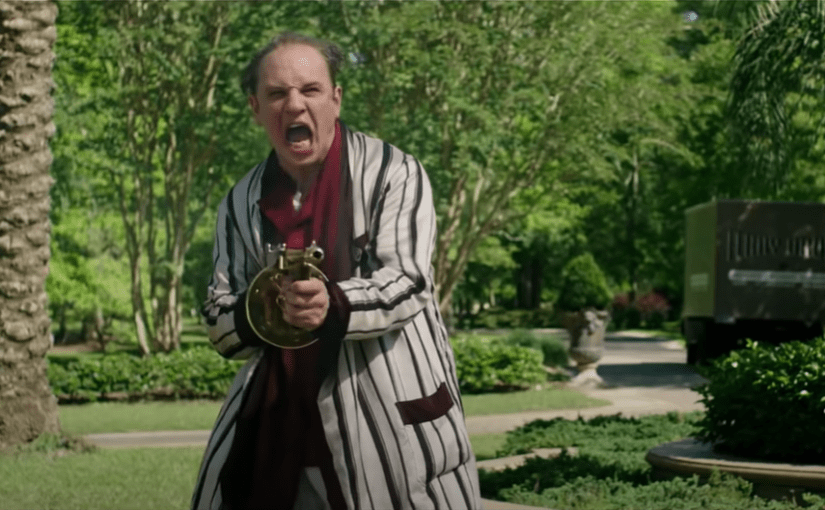
Best score of the year goes to El-P for this and it’s not even close– it’s straight nightmare fuel. This is an aggressively ugly movie that reeks of death. Tom Hardy goes all the way with his performance.
7. Liberté (Albert Serra)
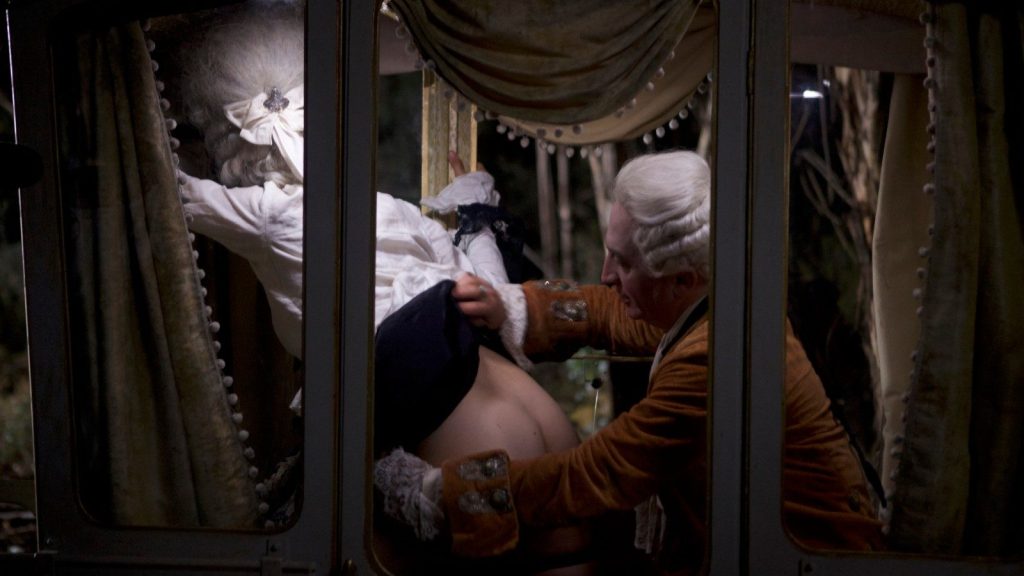
Let me be clear that I am not recommending this. I love it, but if you choose to watch it, that is not my fault. You cannot blame me.
6. Never Rarely Sometimes Always (Eliza Hittman)

I complain a lot about contemporary topical slam dunks that only exist because they have a built-in audience of people who want to see their worldview affirmed. Never Rarely Sometimes Always is proof that a topical drama can still be done well. It doesn’t go for big mic drops, but rather focuses on the subtleties of the way the characters experience sexist power structures. It’s all graceful nuance. Sidney Flanigan is just phenomenal. The way she lets emotions bubble to the surface in glimpses and then swallows them back down reminds me of Liv Ullmann. Hittman’s impressionistic visual style is gorgeous and well-suited to the material.
5. Days (Tsai Ming-liang)

Definitely not for everyone, and probably not the place to start with Tsai, but those who have acquired a taste for what he does should relish it. It’s a lot more legible than most of his films: it’s about the way sex interrupts the flow of life. But it complicates the subject matter by focusing as much on continuity between sex and the rhythms of the mundane as on discontinuity. That sounds depressing, but Tsai finds romance in the material.
One of the most striking and distinctive features of Tsai’s work is the omnipresent use of ambient noise. Fans, air conditioners, rain, dripping water– background sounds in the diegetic world become the foreground of the film’s audio. There’s a moment in this when the otherwise pervasive white noise drops out and the sudden silence just feels miraculous.
4. The Woman Who Ran (Hong Sang-soo)
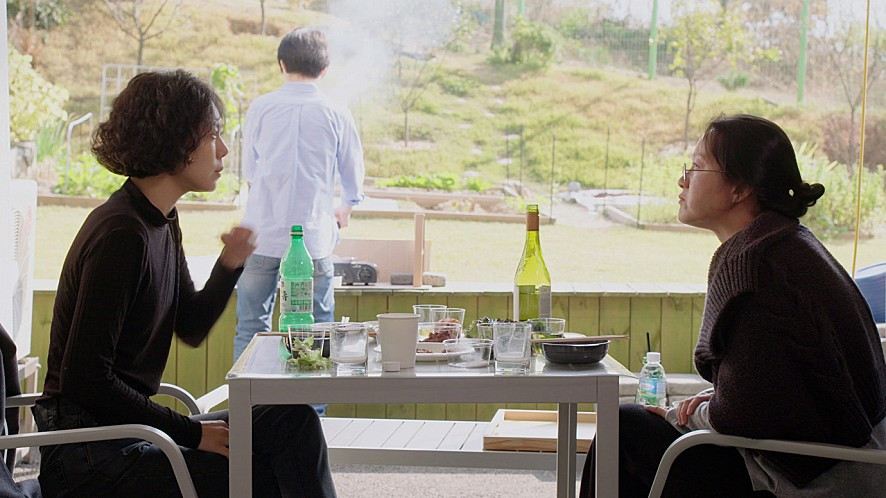
This might look like a lightweight 77 minute piece of hangout fluff, but it has an exceptionally dense structure along the lines of A Christmas Carol. Gam-hee visits three different women living lives that could be hers or could have been hers, all while having the space to reflect for the first time in ages on how she really feels about her marriage. There are many, many symmetries between the three segments and there are somewhere between 3 and 6 Hong Sang-soo stand-ins among the male characters. Also, this has the single greatest cat scene of all time.
3. The Traitor (Marco Bellocchio)
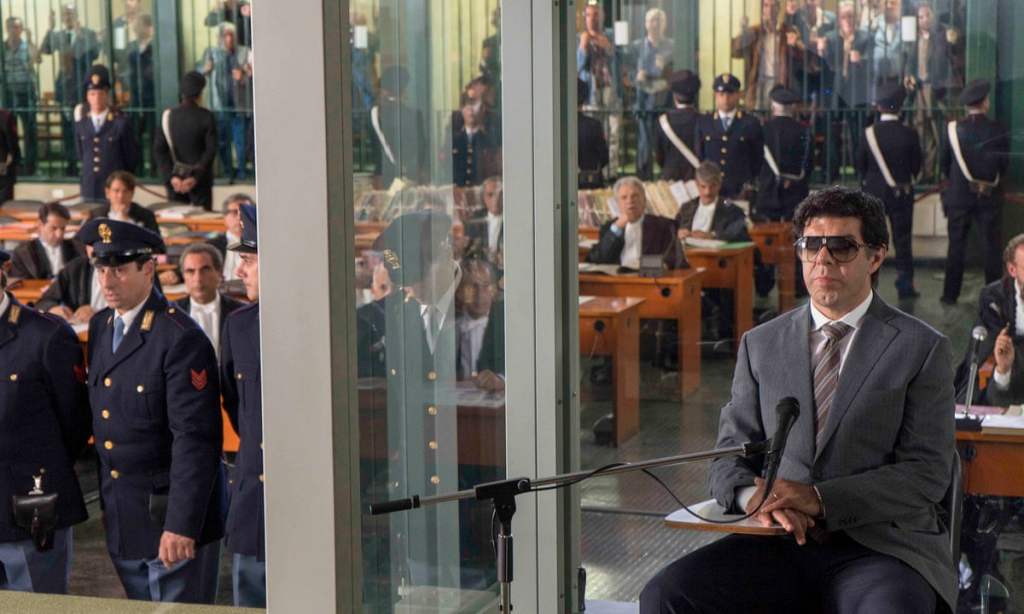
It’s the story of Tommaso Buscetta, the first high-ranking member of the mafia to turn informant. This might sound like worn-out subject matter for a worn-out genre, but Bellocchio’s approach is pure old master bravado. This thing slaps. It is astonishing that he managed to film COURTROOM SCENES in a cinematically exhilarating way.
2. Tommaso (Abel Ferrara)

Tommaso is about the stage of recovery where the threat of relapse is well in the background and the primary challenge is navigating day-to-day life without the crutch of substance abuse. I think it’s the single best movie I’ve ever seen about long-term recovery (something I’m familiar with). Indeed, the movie itself can be understood as part of Ferrara’s own recovery project. It’s also a profound display of intimacy between actor and director. Dafoe and Ferrara have made six films together. In this one, Dafoe plays an obvious Ferrara stand-in, with a few bits of Dafoe’s own life and personality mixed in. This was shot in Ferrara’s apartment, with Ferrara’s actual wife and daughter playing fictionalized versions of themselves. Ferrara said in an interview that he didn’t direct Dafoe at all. He trusted him to represent the truth of this utterly personal material. I find that very moving.
1. The Wild Goose Lake (Diao Yi’nan)
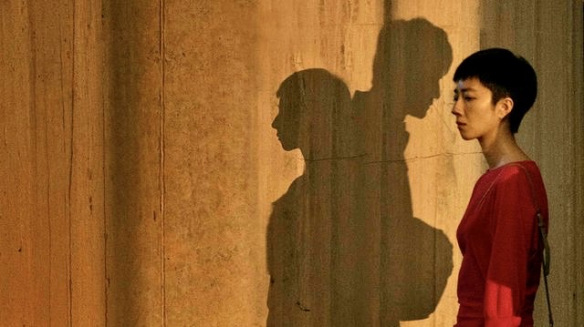
This is completely and totally my shit. It hits so many buttons for me: Wuhan as City on Fire (viewed in 2020!), Langian paranoid thriller, nocturnal death odyssey, men and women clinging to principle as the world burns down around them. I watched this late at night, stood up breathless when the credits rolled, announced ‘holy shit that was good!’, and then got up first thing in the morning and watched it again (and then wrote an enthusiastic review).
Honorable mentions:
Cut Throat City (The RZA)
This is a big, ambitious hot mess of the best kind. It has many faults, but I love it. The character acting is out of control: Terrence Howard, Ethan Hawke, and Wesley Snipes are highlights, but the MVP has to be T.I.. The soundtrack is what you’d hope it would be.
Let Him Go (Thomas Bezucha)
An excellent neo-western with a vivid Montana/Dakota setting. Lesley Manville (from all those Mike Leigh movies) is the villain and she devours this thing whole.
Also: Hunter Hunter, Synchronic, Straight Up, Unhinged, Monster Hunter, Swimming Out Till the Sea Turns Blue, Deerskin, Rogue City, Bad Boys for Life, The Witches, Run, The Dark and the Wicked
Other stuff I solidly liked:
The Croods: A New Age (Joel Crawford)
Believe it or not, this is the Nicolas Cage movie of the year.
Wolfwalkers (Tomm Moore, Ross Stewart)
This is the sort of thing Elizabeth Warren supporters force their kids to watch, but the animation is very good and it’s refreshing to see 2D druid werewolves as the heroes of a kids’ movie. The authoritarian theatrics material is sharp.
Also: The Mercenary, Black Bear, The Man in the Woods, Vitalina Varela, VFW, On the Rocks, The Truth, Kajillionaire, Antebellum, The Wolf House, Skylines, The Jesus Rolls, Psycho Goreman, Kindred Spirits, Sputnik, Beanpole, Swallow, I’m Thinking of Ending Things, The Beach House, Lovers Rock, Freaky, Tenet, Young Ahmed, La Llorona, Fatale, Love and Monsters, The Wrong Missy, Deep Blue Sea 3, The Empty Man, Eurovision Song Contest: The Story of Fire Saga, Seized, Fatman, The Twentieth Century
Sure, why not:
Willy’s Wonderland (Kevin Lewis)
This will only appeal to the very smallest of niches: Cage diehards who value his quiet side. The action is totally worthless; the only scenes of value in this movie are the ones where a mute Cage is cleaning the kitchen and playing pinball. (That’s actually enough for me. I am certainly in the relevant niche.)
Bloodshot (David S.F. Wilson)
Vin Diesel has robot blood. That’s all I needed to hear.
Also: Saint Maud, First Cow, Sorry We Missed You, Greenland, Fourteen, The New Mutants, Ham on Rye, Bill & Ted Face the Music, Jiu Jitsu, Welcome to Sudden Death, The Grudge, Extraction, Debt Collectors. The King of Staten Island, Collective, The Invisible Man, Disappearance at Clifton Hill, Color Out of Space, Bacurau, Legacy of Lies, Zombi Child, Ladies in Black, Judas and the Black Messiah, Yes, God, Yes, Holidate, The Wolf of Snow Hollow, 1BR, Fireball: Visitors From Darker Worlds, Genus Pan, Bad Hair, Relic, Butt Boy, Blood Quantum, The Grand Bizarre, Guest House, Come to Daddy, Becky
I’m at least not mad at it:
Max Cloud (Martin Owen)
Everything outside the game is terrible. The kids are terrible. The video game nostalgia is terrible. BUT Scott Adkins’ physical acting as he legitimately kicks ass while maintaining a rigid retro game character posture and a set of moves pulled directly from retro games is worth the price of admission all by itself (at least for Adkins connoisseurs).
The Vast of Night (Andrew Patterson)
A lifeless demonstration of technical proficiency. Really, it’s more of a job application then a standalone movie. But it does successfully demonstrate technical proficiency.
Also: She Dies Tomorrow, Iron Mask, Emma., Chained for Life, Anything for Jackson, The Babysitter: Killer Queen, Body Cam, On a Magical Night, Ammonite, Money Plane, Da 5 Bloods, Fast and Fierce: Death Race, Mangrove, Fantasy Island, His House, The Craft: Legacy, Honest Thief, The Wretched, Host, Wonder Woman 1984, Bit, A Good Woman Is Hard to Find, Sonic the Hedgehog, Rogue, The Rental, Miss Juneteenth, The Whistlers
Disliked:
Nomadland (Chloé Zhao)
The product placement for The Avengers and neutral depiction of labor in an Amazon warehouse tell you everything you need to know about this. It’s a Prestige Picture– a romanticization of poverty packaged by a corporate juggernaut and sold to bourgeois consumers as Certified Authentic. It’s a two-for-one: you get to support the very same corporate capitalism you are softly bemoaning. The end result is that Disney gets to later advertise an Avengers movie as “From the Oscar-winning director of Nomadland….”
Also: After Midnight, Another Round, May the Devil Take You Too, Force of Nature, Violation, The Climb, Scare Me, The Hunt, Birds of Prey, Sound of Metal.
Strongly disliked:
Promising Young Woman (Emerald Fennell)
I’m sure no one who knows me at all is the least bit surprised that I hate this, but WOW DO I HATE IT. It is the absolute peak example of a venerable exploitation subgenre drained of its lifeblood and rewritten by an artificial intelligence trying to remix feminist Twitter’s greatest hits but getting everything backwards. Clancy Brown has never been so dismally wasted. Carey Mulligan is in the running for least convincing depressed person of all time. I want to avoid spoilers but if I were more prone to take offense nearly everything about this movie would offend me. And it’s like two hours long!
Guns Akimbo (Jason Lei Howden)
I think this is actually worse than Promising Young Woman? I didn’t finish it. I didn’t even come close. Imagine the worst possible edgelord Harry Potter Neveldine and Taylor imitation. It’s that.
Also: Borat Subsequent Moviefilm, Tesla, Mank, The Assistant, Underwater, The Platform, The Lodge, The High Note, Beneath Us, Corona Zombies, Enola Holmes.
Angela Shope
10. The Wild Goose Lake

This is an excellent thriller with a dark, urban visual style that I find appealing.
9. Greyhound
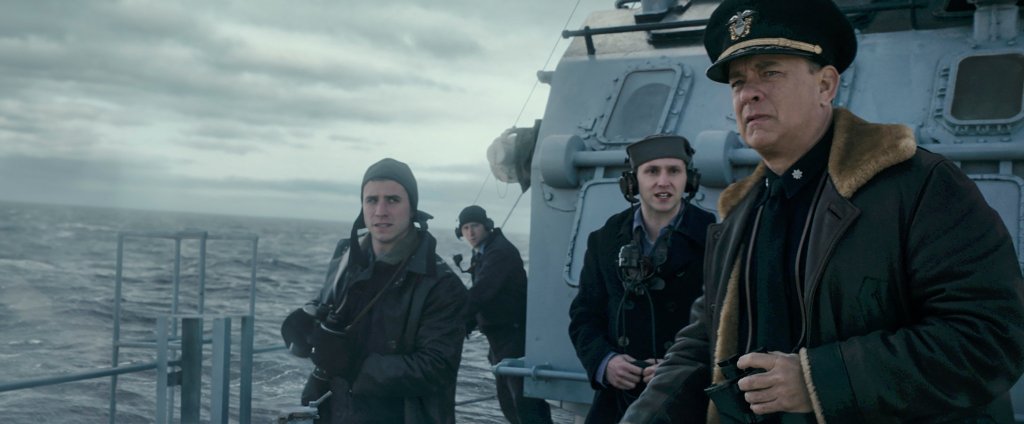
Continuous tension from start to finish. I was literally on the edge of my seat for the entire movie.
8. Joan of Arc

I actually like this a lot better than the first one. It takes itself more seriously, in a way I appreciate.
7. The Salt of Tears

It’s just a joy that we are still getting new Philippe Garrel movies.
6. Capone

A very unconventional, deglamorized gangster movie that focuses more on the mundane details of Capone’s last days than on his mythology. It’s raw and sad and gripping from start to finish. Tom Hardy is amazing.
5. Gretel & Hansel

Dark and beautiful. It’s the right kind of disturbing for me.
4. Folkore: The Long Pond Studio Sessions (Taylor Swift)

This documentary brought the album to life in a new way. The personal context she provides for the songs makes them even more dear to me.
3. Synchronic

I appreciate the serious approach to the material from Moorhead and Benson. It’s a very creative movie. The production design is interesting and imaginative. I was blown away.
2. Tenet

I’m the biggest Christopher Nolan fan in the Strohltopia family and I thought Tenet was absolutely thrilling.
1. Undine

I love Petzold. This fantastical romance moved me to tears. I loved fairytales throughout my childhood and Undine brought me back to that in a way that felt at once magical and melancholy.
Honorable mentions: Emma., Sputnik, Eurovision Song Contest: The Story of Fire Saga, The Traitor.
Josh Strohl
- Tommaso (Abel Ferrara)

Abel Ferrara has been one of my favorite artists for most of my life. He started out in dark territory: addiction, self-loathing, debauchery, and grime. Films like Bad Lieutenant and King of New York made deep impressions. It’s poignant now to see him navigating his life in recovery and finding grace notes for himself in his own films– making a personal movie with his wife and cute little daughter and his best buddy Dafoe about spiritual growth. It’s an essential film in his body of work and it fills me with hope to see Ferrara continue to face down his demons. - Capone (Josh Trank)
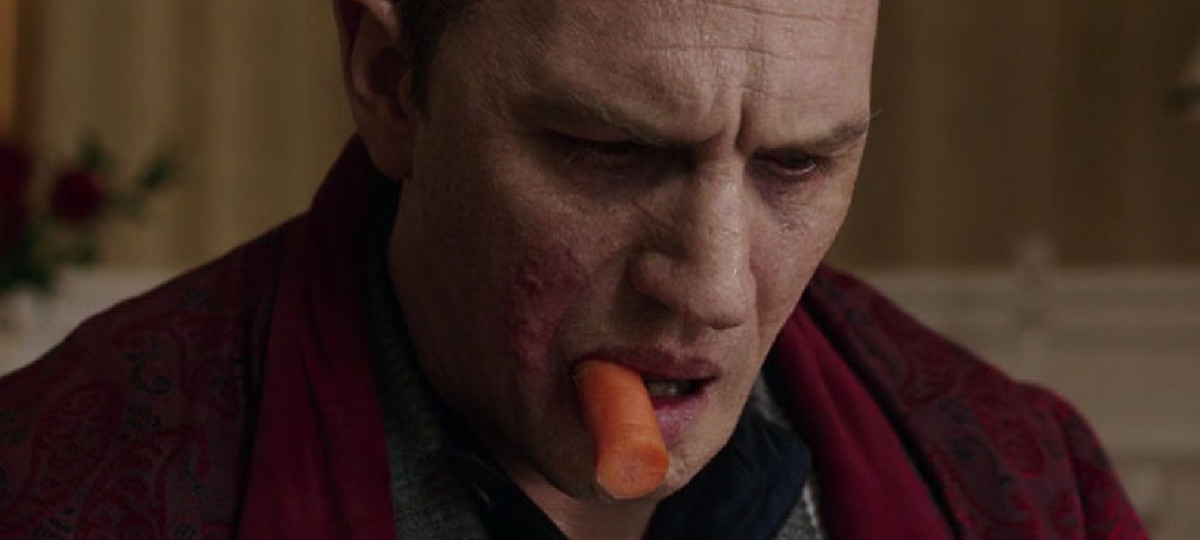
It’s about really ugly and unpleasant things: dementia, incontinence, death. I’ve been living with this stuff for a long time as my dad’s health deteriorated (we lived in the same house). This hit me harder than I could even convey. Tom Hardy is incredible in this; he is playing the long game. It’s performances like this that will be remembered when later generations look back over his career, even if they are ignored in the short term. I said last year that The Irishman closed the modern gangster movie cycle. Capone is the epilogue. It takes the lineage of anti-gangster movies that began with The Godfather III to its furthest extreme. - Joan of Arc (Bruno Dumont)

This is a movie I can really vibe on. I used to find Bruno Dumont unapproachable but after watching this I went back to his early works and found that I really love them. His oddball absurdist sensibility runs through all his films, and this one is perhaps the best balance of comedy and drama in his filmography. There were a number of high profile movies this year about women coping with male-dominated power structures and this one was wrongly left out of that conversation. It tells that story in striking images. - Guest of Honour (Atom Egoyan)

A dreamy labyrinth of misperceptions, false memories, health inspections, sexting and rabbits. Like many of Egoyan’s films, it’s about the way that small events can reshape our entire lives and impact others. It feels very true to me. When we ask ourselves how things really got to be the way they are, the chains of explanation tend to be as convoluted and bizarre as the ones in this movie. It’s at once rigorous and poetic and a powerful examination of the ripple effects of trauma. David Thewlis turns in one of the finest performances of the year. - Bruce Springsteen’s Letter to You (Thom Zimny)
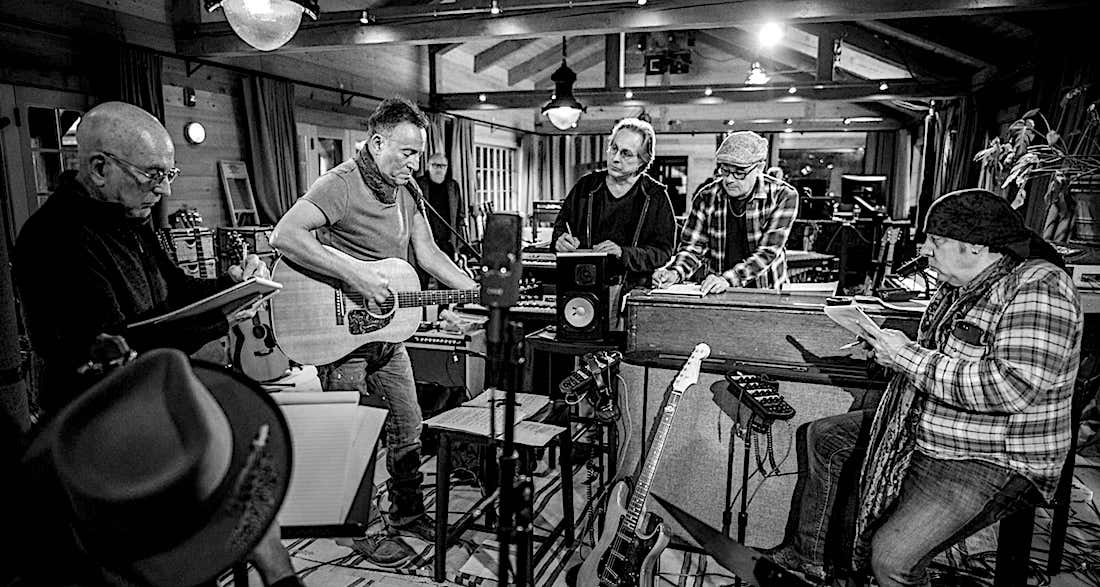
I’m biased. Bruce is my favorite recording artist. This moved me at a deep level. It’s a movie about death and loss in the year when I lost my dad. The Boss feels like a father figure handing down the wisdom of a lifetime. There are few people I look up to like Bruce Springsteen and I take his words to heart. Also, The E Street Band is a machine in this and seeing these guys create the album in the studio together at this stage in the game is a joy. An all-time great music film. - City Hall (Frederick Wiseman)

I’ve been shooting, editing, and directing local news for a decade, so I am very familiar with filming the sort of material that Wiseman is concerned with here. His approach is extremely unconventional. He approaches something like a budget meeting with uncommon patience, sticking with wide shots where another director would have zoomed or cut and letting people finish talking instead of editing down their statements to a soundbite. The cumulative result is a humane, observant tapestry that is appropriate to the massive subject matter. - Days (Tsai Ming-liang)

I was surprised by how moved by this I was. It was jarring; it caught me off guard and made a deep impression. It’s a compassionate and transcendent film. The last scenes featuring a music box playing the theme from Chaplin’s Limelight are startlingly beautiful and melancholy. - The Woman Who Ran (Hong Sang-soo)
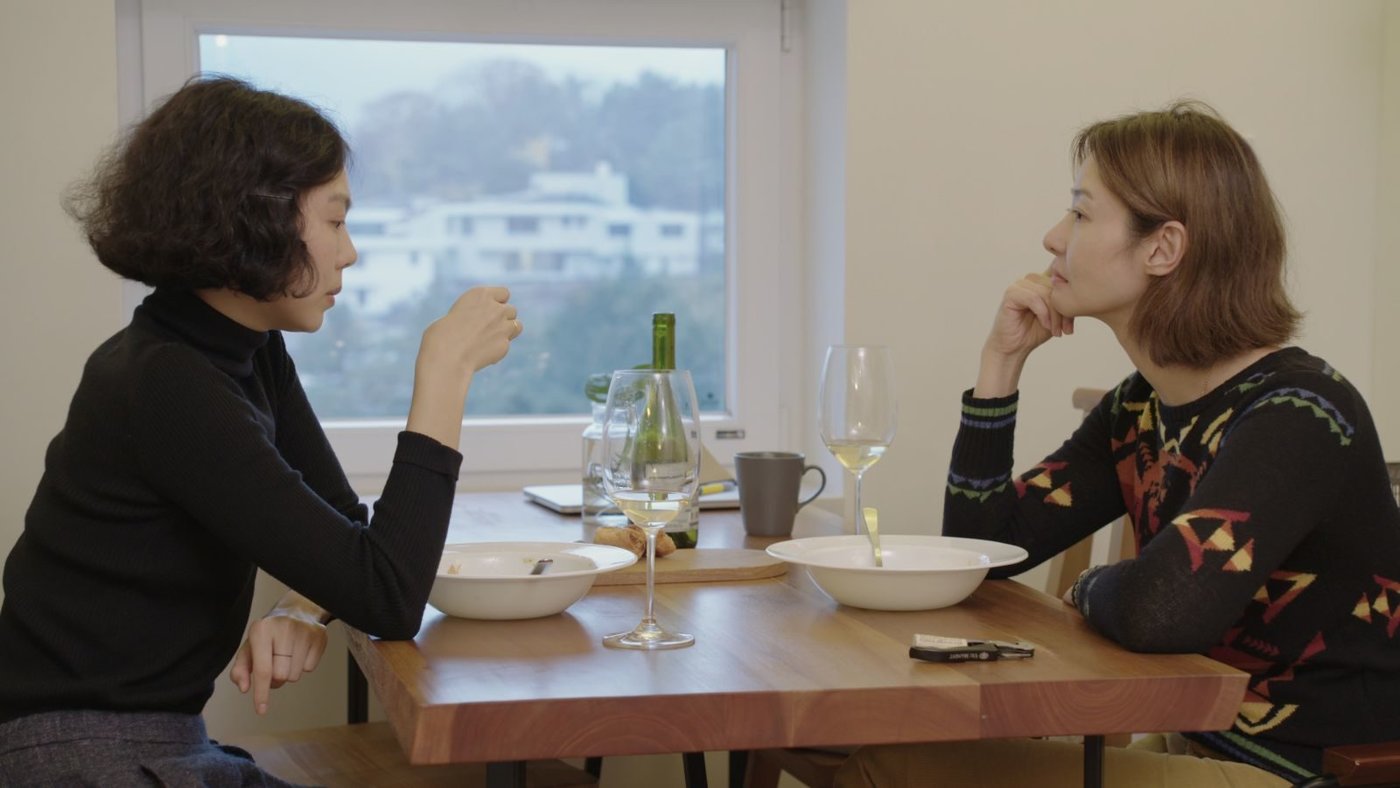
Another year, another Hong Sang-soo banger. He is often accused of repeating himself, but I don’t think that’s fair at all. Although his movies have some elements in common, they all have their own little mystery to unlock. They are treasure boxes and I love them all. Hong’s Hill of Freedom and Yourself and Yours were also released in North America this year and they are also some of the best films released this year. - The Traitor (Marco Bellochio)

The Traitor is the antidote to all these Trial of the Chicago 7 non-movies. It’s called mise-en-scène, Sorkin. - On the Rocks (Sofia Coppola)

Sofia Coppola deserves more credit as a comedic director. This appeals to the Bogdanovich/Ashby fan in me. It’s effervescent and playful and I fear that we’ve unfortunately gotten to a point where a lot of people think that’s not enough. Bill Murray hasn’t been this good in a long time. - Psycho Goreman (Steven Kostanski)

Not for everyone, but definitely for me. It hits me in my sweet spot. The effects are great and it is dead on for my sense of humor. I would have loved it as a kid and I love it as an old man. “I do not care for hunky boys! ….or do I?” - Hubie Halloween (Steve Brill)

Love the Sandman, love Hubie Halloween, no reservations. - Gretel & Hansel (Oz Perkins)
- The Truth Hirokazu Kore-eda)
- The Kid Detective (Evan Morgan)
- Sorry We Missed You (Ken Loach)
- To the Ends of the Earth (Kiyoshi Kurosawa)
- Possessor (Brandon Cronenberg)
Brandon Cronenberg does right by the family name with this freaky sci-fi movie. - The Wild Goose Lake (Diao Yi’nan)
- The Salt of Tears (Philippe Garrel)
- Deerskin (Quentin Dupieux)
- The Projectionist (Abel Ferrara)
- Greyhound (Aaron Schneider)
- The Whistlers (Cornelius Porumboiu)
- Straight Up (James Sweeney)
- Palm Springs
- Never Rarely Sometimes Always
- Sportin’ Life
- Let Him Go
- Monster Hunter
Cinema lives! This is Hell in the Pacific with Milla Jovovich as Lee Marvin and Tony Jaa as Toshiro Mifune. - The Golden Glove
I had no idea Fatih Akin had this in him. Unforgettable. - Roald Dahl’s The Witches
- Bad Boys for Life
- Black Bear
- Let Them All Talk
- Alone
- Sputnik
- I’m Thinking of Ending Things
- Kajillionaire
- Liberté
I watched this at like 7am, which was kind of perfect in a strange way. - Swimming Out Till the Sea Turns Blue
- Ladies in Black
- Tenet
This put me in the unfamiliar position of defending a Christopher Nolan movie. - Family Romance, LLC
- Wolfwalkers
- Collective
- The Wrong Missy
- The Outpost
- Fireball: Visitors From Darker Worlds
Just when I think I’ve seen everything from Herzog he starts waxing poetic about the CGI effects in 1997 disaster blockbuster Deep Impact. - Bill & Ted Face the Music
- Da 5 Bloods
Not one of Spike’s best joints but it still has a lot of interesting things going on, particularly his riffing on Sam Fuller. - Lovers Rock
I thought all five of the Small Axe movies were interesting and had a striking sense of setting and strong production design. - Kindred Spirits
Glad to see Lucky McKee doing something interesting again, this time in the form of a literal Lifetime movie. - Hunted
- David Byrne’s American Utopia
I enjoyed this but it’s no Stop Making Sense. - Unhinged
Trashy fun with a great villain turn from the Russell Crowe, - Swallow
- Red, White and Blue
- Education
- The Empty Man
- Nomad: In the Footsteps of Bruce Chatwin
- Love and Monsters
- Freaky
- Fatman
- Undine
- Hunter Hunter
- The Cordillera of Dreams
- Alex Wheatle
- The Croods: A New Age
I watch a lot of kids movies and animated movies and this is a cut above. It’s bright and imaginative animation and Cage does incredible voice work here. - 1BR
- The Father
I was prepared to slam this movie if it didn’t come correct in it’s depiction of Alzheimer’s/dementia. It’s a bit heavy-handed in some ways but I found it to be very accurate and haunting and Hopkins puts on a tour de force performance. It’s the only movie that is up for best picture that I thought was solidly good. - Young Ahmed
- VFW
- The Dark and the Wicked
Brutal and bleak movie. I respect it more than I like it. - Bacurau
- The Jesus Rolls
- Eurovision Song Contest: The Story of Fire Saga
- Fatale
- Mangrove
- Run
- American Murder: The Family Next Door
- The Grudge
- The Invisible Man
- Synchronic
- Miss Juneteenth
- Zombi Child
- The Beach House
- The Forty-Year-Old Version
- Disappearance at Clifton Hill
- Shirley
- Antebellum
- We Can Be Heroes
- The Wolf House
- The Climb
- Iron Mask
- Yes, God, Yes
- Deep Blue Sea 3
- Malcolm & Marie
- Skylines
- Soul
- Anything for Jackson
- The New Mutants
- His House
- Color Out of Space
- The Man in the Woods
- Another Round
- Space Dogs
- The Twentieth Century
- Bloody Nose, Empty Pockets
- Blood and Money
- Fantasy Island
- News of the World
- Judas and the Black Messiah
- Greenland
- Debt Collectors
- Guest House
- Borat Subsequent Moviefilm
I thought this was funny but overrated. Cohen did much better work recently with his Showtime series Who is America. - Extra Ordinary
- First Cow
I’m generally a big Reichardt fan. I don’t think this is her best work, but it’s memorable. - Holidate
- Butt Boy
- Bloodshot
- Body Cam
- Babyteeth
- Time
- Becky
- Seized
- Wonder Woman 1984
- Buffaloed
- Relic
- The King of Staten Island
- Spenser Confidential
- Sonic the Hedgehog
- Cut Throat City
- Hillbilly Elegy
- The Rental
- Like a Boss
- Ma Rainey’s Black Bottom
- American Pie Presents: Girls’ Rules
- The Wolf of Snow Hollow
- On a Magical Night
- The Way Back
- The Vast of Night
- An American Pickle
- 12 Hour Shift
- Irresistible
- Birds of Prey (and the Fantabulous Emancipation of One Harley Quinn)
- A Good Woman Is Hard to Find
- Money Plane
- Honest Thief
- Songbird
- Max Cloud
- Minari
- Come to Daddy
- The Nest
- The Craft: Legacy
- The Turning
- The Wretched
- Bad Hair
- Host
- Tales from the Hood 3
- The Tax Collector
- You Should Have Left
- The High Note
- Ammonite
Forbidden lesbian romance, fossil edition. I’m into the genre but Winslet overacts and takes the life out of the movie. - Trolls World Tour
Starts like you just ate 50 pixie sticks and chugged a liter of Jolt cola but can’t keep up its mania and runs out of steam pretty early. - Scoob!
I’ve seen this 300 times. - Underwater
Starts interesting then starts ripping off Renny Harlin’s Deep Blue Sea at every turn and finishes off with a terrible CGI monster. - The Prom
This is so jaw-droppingly bad and cringey that I kind of got a charge out of watching it. - Force of Nature
Not enough Mel Gibson. - The Little Things
- Happiest Season
- Fourteen
- Girl
- Saint Maud
- Nomadland
- Ava
- Jiu Jitsu
Cage bait and switch. - The Lodge
- The Lovebirds
- Sound of Metal
- The Rhythm Section
- The Personal History of David Copperfield
- After Midnight
Bad movie with a good ending. - Tesla
I was into some of what was going on here but by the karaoke scene I was rolling my eyes. - The Photograph
A movie I completely forgot the moment it ended. - The Call of the Wild
CGI dogs are lame AF but this movie has a singular ability to make my daughter take a nap so it has that going for it. - Ham on Rye
- She Dies Tomorrow
- The Hunt
- Standing Up, Falling Down
- Saint Frances
This kind of movie is a dime a dozen and this one was particularly uninspired. - The War with Grandpa
I thought this was gonna pick up when Christopher Walken showed up. It did, but nowhere near enough. - Onward
One of the worst Pixar movies. I’m getting a little tired of their formula and “dead parent” kids movies in general. - Hamilton
I know that this is beloved but it is not for me at all. - One Night in Miami…
Is Civil Rights icon fan fiction a thing? This movie is so weird about it, especially the way it puts these awkward, excruciating platitudes in the mouths of people like Malcolm X and Muhammad Ali. Maximum cringe. It also fails on a technical level with its bland production design. - Promising Young Woman
I thought some of the casting was interesting, and it’s maybe a little entertaining as a bad movie, but it’s really silly and the script is ridiculous. - The Assistant
It has one point to make and it just makes it over and over and over again. It doesn’t work as experiential cinema in the way that Never Rarely Sometimes Always or To the Ends of the Earth does because its imagination is so limited, and it doesn’t work as minimalism because it doesn’t go anywhere interesting with the rhythms it establishes. It’s dull and tedious. - Mulan
First of all, there’s no Mushu. Also, it pretty much sucks. - The Trial of the Chicago 7
This a new low water mark for prestige pictures in terms of production design, cinematography, costume design (how they messed this up with this subject matter is beyond me) and period detail. It looks cheap and is poorly directed. The schmaltzy Sorkin dialogue is unbearable and wrong for the material. - Brahms: The Boy II
The title was so appealing to me that I went back and watched The Boy in order to watch this. It turns out that The Boy is sort of a gem, but then this sequel wrecks its mythology more fully than I imagined possible. It really is an amazing title, though. - Guns Akimbo
People who are really into this movie are probably people who I don’t want to know. - Sadistic Intentions
The intentions are nowhere near sadistic enough. - How to Build a Girl
I rented this for 99 cents against my better judgment and I had to pause it every five minutes to pace around and groan. Every now and then my wife walked in and asked “what is this annoying movie you’re watching?” Beanie Feldstein is baaaaaad. - Valley Girl
I was curious to see how bad this would be and it is shockingly bad. It’s worse than a bad episode of Glee. This is an insult to Martha Coolidge’s original, and surprisingly regressive. - Mank
A train wreck of a movie. It’s worse than I thought Fincher was capable of. Even aside from the anti-Wellesian garbage, it’s incredibly boring, it’s ugly, Gary Oldman is horribly miscast, and I hate it. I’m hard pressed to understand why anyone would have wanted to make this movie. The Bernie Sanders parallels are unbearably cloying. - Downhill
Every now and then you come across a movie that you just despise deep in the core of your being. For me, Downhill is that movie. I don’t believe that there is a single person alive who likes it (a real person, not a critic). If there is, I wouldn’t judge, but I would be very curious to find out who this person is who likes Downhill.
Isabel Strohl
10. Wolfwalkers
We don’t see many animated movies that are this thoughtful and unique. It’s really magical and we loved watching it with Sky. It’s a very special mother-daughter movie.
9. Straight Up
Cerebral, thought-provoking neurotic asexual rom com that is delightful in its chaos.
8. Never Rarely Sometimes Always
Powerhouse movie with an incredible performance from Sidney Flanigan.
7. Collective
A docu-thriller for journalists. I loved it.
6. Let Him Go
This movie completely worked its magic on me. Totally riveting.
5. Small Axe (in total)
It’s like a great album of movies. The whole is more than the sum of the parts. It veers off into subjects and stories that you don’t normally see depicted in historical movies.
4. Sorry We Missed You
Keeping your head above water as a working parent, coping with fear of the unknown, emotional exhaustion— this movie’s dignified depiction of the every day struggle is devastating.
3. Monster Hunter
Obsessed. Milla Jovovich has the credibility to play a grizzled female action star.
2. Capone
This is extremely true to my personal experiences with dementia and death. It’s comforting to see it depicted well, with humor and darkness and vivid sensory details. Josh and I felt seen.
1. City Hall
Essential viewing. Watch it.






 STROHLTOPIA